
Stresa vs Lake Como: The Lake That Lets You Stop
A friend in Milan changed my mind about Italian lakes with one sentence: skip Lake Como and go to Stresa. The tourists go to Como, he said. Italians go to Stresa.
I took his advice during our July–August 2024 trip from Sicily to Stresa and then on to Zermatt. Stresa gave our family a slower few days: walks, a night swim, the Borromean Islands, and mountain activities roughly 10–15 minutes away.
That does not make Stresa right for every traveler. The useful question is which lake fits your route and the day you actually want to have.
Stresa vs Lake Como: the real decision
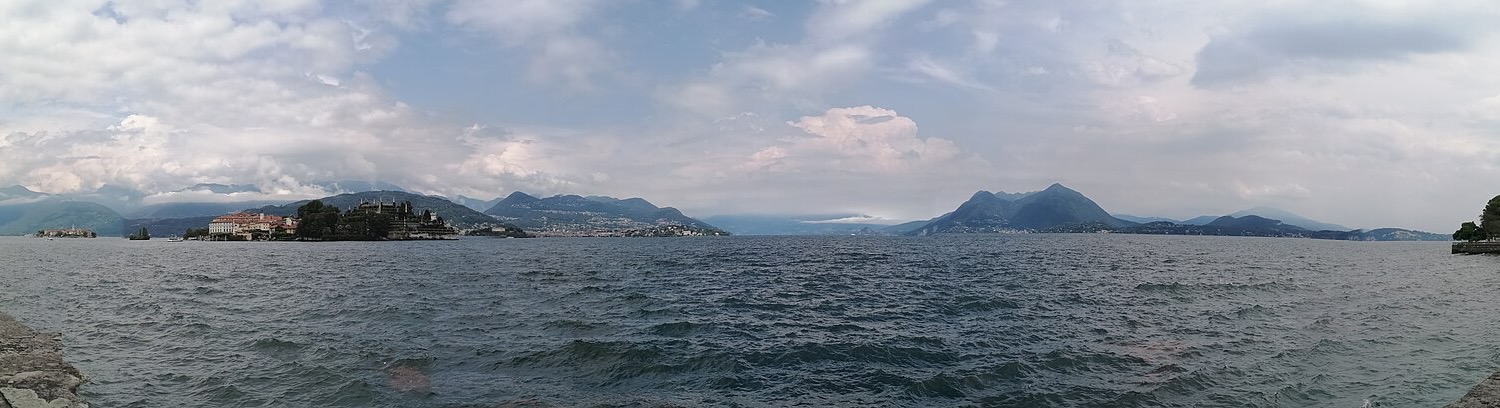
The best lake is usually the one that lets you stop moving for a while.
At a glance: choose Stresa for a slower Lake Maggiore stay with easy access to the Borromean Islands and nearby outdoor activities. Choose Lake Como when its iconic villages and scenery are the point of the trip, or when the route naturally takes you east from Milan.
Lake Como is famous for good reasons. Bellagio is beautiful. The lakefront villas are memorable. The landscape has the kind of immediate visual drama that explains why people build an entire first trip around it. For travelers building a broader Lake Como itinerary, those are legitimate reasons to make the lake the center of the stay.
But fame changes a place’s rhythm. On my visit, tour groups arrived in the morning and left later the same day. That is not a criticism of the lake. It is simply a different way of experiencing it. If you arrive with the same schedule, you can spend the day moving between viewpoints and still never settle into the place.
Stresa felt less crowded and more residential by comparison. It was easier to let the day stretch. We took slow walks through town, visited the Borromean Islands, and swam in the lake at night. The point was not to collect more sights. The point was that the lake had enough around it to support a few unhurried days.
That distinction matters more than a generic ranking. A couple on a second or third Italy trip may not need another famous view. They may need one place where nobody has planned the next hour for them.
The pause test: what job is the lake doing?
This is the part most lake comparisons leave out. They compare views, villages, ferries, hotels, and crowd levels as if the lake were an isolated product on a shelf. I think the more useful question comes earlier: what job is this lake supposed to do inside the itinerary? That is also why a lake should be evaluated as part of a wider Northern Italy route, not as a standalone postcard.
There are two very different answers.
Sometimes the lake is the attraction. The traveler has a picture of Bellagio in mind. The villas matter. The ferry ride is part of the experience. The lake is one of the things they came to Italy to see, and the itinerary should give it the attention it deserves. That is a Lake Como trip for the right traveler.
Other times, the lake is the pause. It is the place between the intensity of one part of Italy and the next. It gives a couple or family a few days where the schedule does not have to prove anything. You can walk, sit, swim, take one worthwhile outing, and come back without feeling that you failed to use the destination properly. That is the role Stresa played for us.
The difference sounds philosophical until you look at a calendar. If the lake is an attraction, you tend to build around it: which villages, which ferry, which viewpoint, which restaurant, which photograph. If the lake is a pause, you protect it from that instinct. You give it enough nights. You keep the arrival day light. You allow the second morning to remain partly unclaimed.
That is why I do not describe Stresa as simply “less crowded Lake Como.” That comparison gives Como the authority and Stresa the role of substitute. It misses the point. Stresa is useful because it can change the pressure of the whole trip.
Our route came from Sicily to Stresa and then on to Zermatt. Sicily had its own energy. Zermatt would bring another kind of movement and outdoor scenery. Stresa sat between them, and the slower rhythm mattered. We visited the Borromean Islands. We walked through town. We swam in the lake at night. We went up the nearby mountain for a mountain coaster and zip-lining roughly 10–15 minutes away. There was enough to do, but nothing that forced us to keep proving that the stay was worthwhile.
That is the unique decision I would make between these two lakes: Do you want to pursue the lake, or do you want the lake to give the itinerary back to you?
If you cannot imagine leaving an afternoon open, choose the lake that is genuinely the attraction. If what you want is to stop carrying the itinerary for a couple of days, Stresa deserves a serious look.
A simple itinerary audit before you choose
Before I put either lake into a trip, I would ask five questions. They are more useful than a universal “best lake” answer.
- What happens immediately before the lake? If the travelers are arriving from a demanding, highly scheduled stretch, the lake may need to be a release valve. If the lake follows a quiet countryside stay, a more active base may be welcome.
- What happens immediately after it? A stop before Switzerland may need a different pace than a stop before several major cities. The lake should prepare the traveler for what comes next, not compete with it.
- What would make the travelers feel they had a successful day? Bellagio and the villas? A swim? A long lunch? A mountain activity? The answer tells you whether you are choosing an attraction or a pause.
- How many nights can the lake actually earn? One night turns almost any lake into a compressed transfer. Two nights begin to create room. If the plan cannot spare the nights, the honest answer may be to skip the lake.
- What are you willing to remove? If the answer is “nothing,” the lake is being added as decoration. Every stop has to take time from something else.
The fifth question is the one that catches bad itineraries. People ask whether they can fit both Como and Stresa. They can. They ask whether a lake can be added between Milan and the next destination. It can. But the fact that a transfer is possible does not mean it improves the trip.
A good lake decision should produce a subtraction. Maybe it removes a second alpine lake. Maybe it protects an evening. Maybe it means one fewer village and one more night. If the lake adds only another photograph and another check-in, it has not earned its place.
What the Stresa pause looks like in real life
I do not mean that Stresa is a place where nothing happens. That would be a dull recommendation, and it would not match our experience.
A two-night Stresa stay can have a clear shape without becoming a performance. The first day can be deliberately light: arrive, walk through town, get oriented, and let the lake be present without immediately converting it into a checklist. The Borromean Islands are the natural anchor outing. They give the stay a reason to move without turning every hour into logistics.
The evening is where the difference becomes more obvious. We swam in the lake at night. That is a small detail, but it is the kind of detail a packed itinerary loses. You do not build a day around it. You leave enough room for it to happen.
The following day can change the scale of the experience. The nearby mountain activities—our trip included a mountain coaster and zip-lining roughly 10–15 minutes away—gave the family something active beyond the lake and the town. Then you can return to the slower part of Stresa instead of transferring to another destination because the schedule says the scenery has been consumed.
That sequence is the reason I resist filling every Stresa day with additional stops. The attraction is not only the island or the mountain. It is the ability to move between them without making the traveler feel managed.
This is also why the two-night minimum matters to me. One night can show you Stresa. Two nights can let Stresa do its job.
Why “less crowded” is not enough of an argument
Crowds are part of the decision, but “less crowded” is not a complete editorial angle. It is too easy to say, too hard to own, and not always what a traveler is actually buying.
A place can be less crowded and still be wrong for the route. A place can be busy and still be right because the traveler wants the thing that made it busy in the first place. Lake Como’s popularity is not evidence that everyone should avoid it. It is evidence that the choice needs to be made consciously.
The stronger Stresa argument is what the lower pressure allows. It allows the evening swim. It allows a walk that is not a transfer between reservations. It allows an outdoor activity to be a change of pace rather than another item on a family spreadsheet. It allows the traveler to remember the feel of the day instead of only its sequence.
That is a more honest promise than saying Stresa is universally better. It is better at one job: giving a well-traveled person permission to stop optimizing for a little while.
Who should choose Stresa?
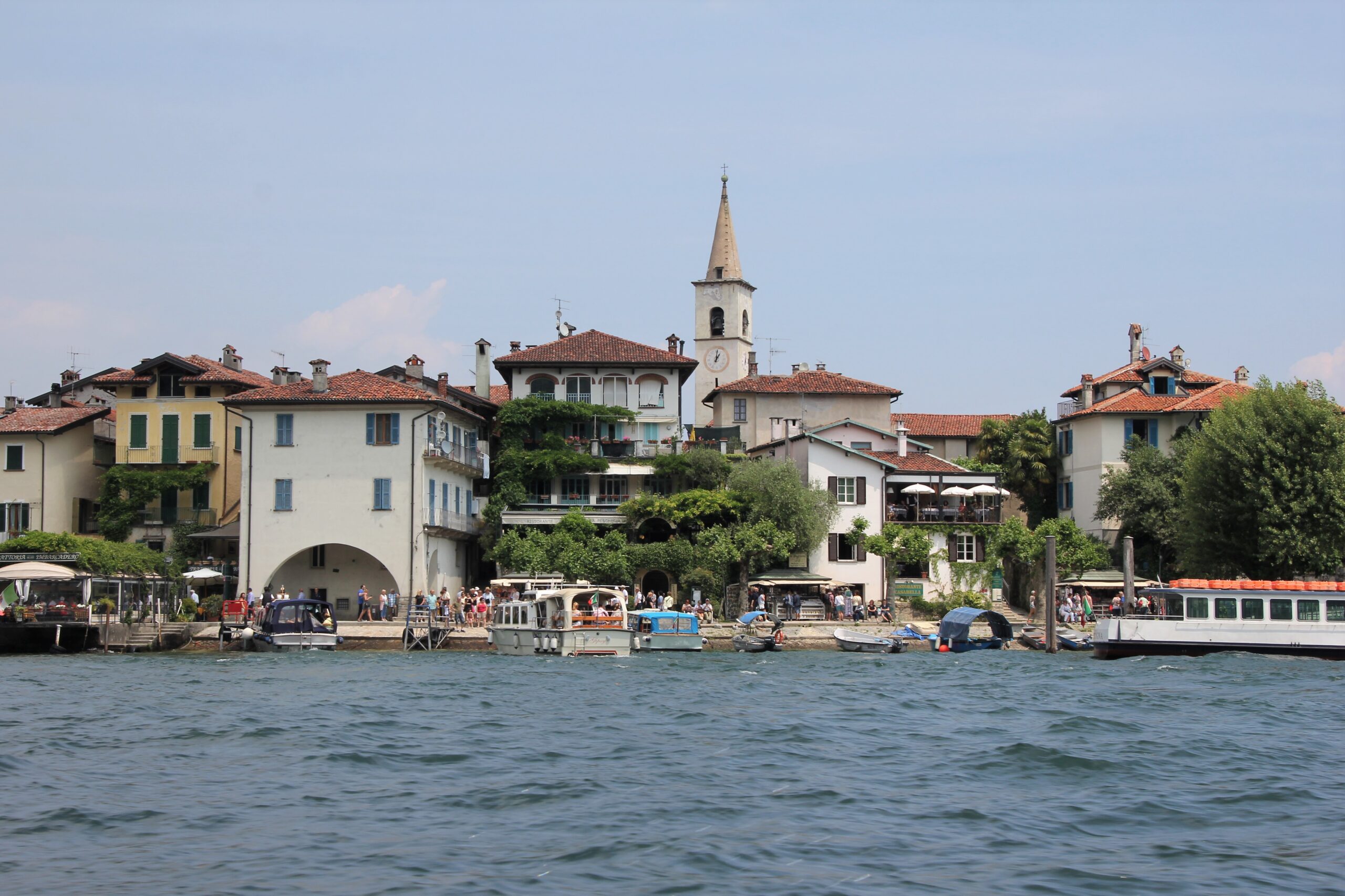
Isola dei Pescatori, one of the Borromean Islands a short boat ride from Stresa.
Stresa sits on Lake Maggiore and makes the strongest case when the lake is part of a broader western or northwestern route. It also works when your travelers want the lake to be an experience in itself rather than a quick photograph between transfers.
Choose Stresa when:
- You want to stay put for at least two nights. Stresa improves when you have time for a slow walk, an island visit, and an evening without a timetable.
- You want more than lake views. During our stay, mountain activities roughly 10–15 minutes away gave the family an outdoor option beyond ferries and town streets.
- You are traveling with family and want lower friction. Our Stresa stay felt stress-free because the day could hold different speeds: a walk, a swim, an island, or an activity.
- You are open to choosing judgment over name recognition. Stresa is not the default answer most Americans hear first. That is precisely why the recommendation requires a little trust.
- You value the atmosphere as much as the scenery. The appeal is not that Lake Maggiore is a consolation prize. It is that the place made doing less feel natural.
The Borromean Islands are the anchor outing. After that, Stresa does not demand a second major attraction to justify staying. That is a useful quality in an itinerary. A destination that needs constant activity to feel worthwhile is usually not the destination I want to use as a rest point.
Who should choose Lake Como?
Lake Como is the better choice when the famous places are not interchangeable in your traveler’s mind. If someone has imagined Bellagio for years, replacing it with a quieter alternative may be clever on paper and wrong for the person standing in front of you.
Choose Lake Como when:
- Bellagio or the lakefront villas are a named goal. A custom trip should not “correct” a traveler out of something they genuinely want to see.
- You have one night and want the lake to make an immediate impression. That is a compressed visit, but Como’s visual impact can make the tradeoff worthwhile.
- Your route naturally continues east from Milan. Geography is part of good trip design. A beautiful alternative that creates a needless detour is not automatically the better recommendation.
- You prefer more bustle in the evening. Bellagio offers more dining and nightlife energy than the quieter Stresa rhythm.
- You are comfortable with a busier peak-season experience. Como’s popularity is part of what you are choosing, not a surprise to discover after you arrive.
I would not send a traveler to Como simply because it is the lake everyone recognizes. I would send them there when its recognition, villages, or route position serves the trip.
Stresa or Lake Como for families?
For our family, Stresa was the easier stay. The pace was relaxed, there was space to move between different kinds of activities, and the nearby mountain options meant the lake did not have to carry the whole day.
That is my experience, not a universal rule. Families who want the ferry network, the villages, and the visual drama of Como may be happier there. The important thing is to ask what “family-friendly” means for this particular group.
For one family, it means a mountain coaster and zip-lining 10–15 minutes away. For another, it means a village where everyone can walk to dinner. For another, it means the adults have a beautiful view while the children have enough variety not to turn the afternoon into a negotiation.
The mistake is treating the word family as a destination filter by itself. The activities and the pace are the filter.
What gets rejected when you try to do both?
You can visit both lakes. I would usually advise against it.
Stresa and Lake Como are roughly two hours apart by car, and longer by train. The distance is not impossible. The problem is what that transfer replaces: a slower morning, another night in one place, a vineyard stop in Piedmont, or time in the Dolomites.
I would reject an itinerary that includes Como, Maggiore, and Garda in ten days. Three alpine lakes in ten days sounds efficient until you look at the calendar. Each lake gets reduced to a check-in, a view, and a transfer. The itinerary becomes busy while the experience becomes strangely similar.
This is where trip design earns its keep. The question is not, “Can we add the second lake?” Almost anything can be added. The question is, “What gets worse when we do?”
My default is to choose one lake and give it enough time to feel like a place rather than a scenic intermission.
The practical comparison
| Decision | Stresa, on Lake Maggiore | Lake Como |
|---|---|---|
| Best for | A slower stay, island time, family variety, and a less crowded feel | Iconic scenery, Bellagio, villas, and a named lake goal |
| Atmosphere | Relaxed, residential, easier to leave room in the day | More famous and more active, especially around the best-known villages |
| A memorable outing | The Borromean Islands | Bellagio and the lakefront scenery |
| Beyond the water | Mountain coaster and zip-lining roughly 10–15 minutes away on our trip | The lake and villages are the central draw |
| Time I would allow | Two nights minimum | One night can work; two nights gives the lake room |
| Main tradeoff | Less name recognition | More crowds and a busier rhythm |
| My route test | Strong when the route is naturally west or toward Switzerland | Strong when the route continues east from Milan |
These are planning distinctions, not promises about every month, town, or traveler. A lake is not a single experience. The exact village, season, hotel location, and transfer pattern still matter.
When should you visit?
Both lakes can work from spring through early fall, but the experience changes with the season. July and August are the busiest period, particularly around Lake Como’s most famous villages. Stresa is not empty in summer; it simply felt less pressured to me than Como.
April, May, and September are the windows I would look at first for travelers who want to walk, spend time outside, and avoid building the whole stay around peak crowds. The larger point is not to declare one season “bad.” A traveler with fixed July dates still deserves a trip that works. It just needs a more honest plan for the rhythm of the day.
I would rather protect an evening and accept one fewer sight than promise a leisurely lake stay while scheduling every ferry, viewpoint, and dinner as if delays do not exist.
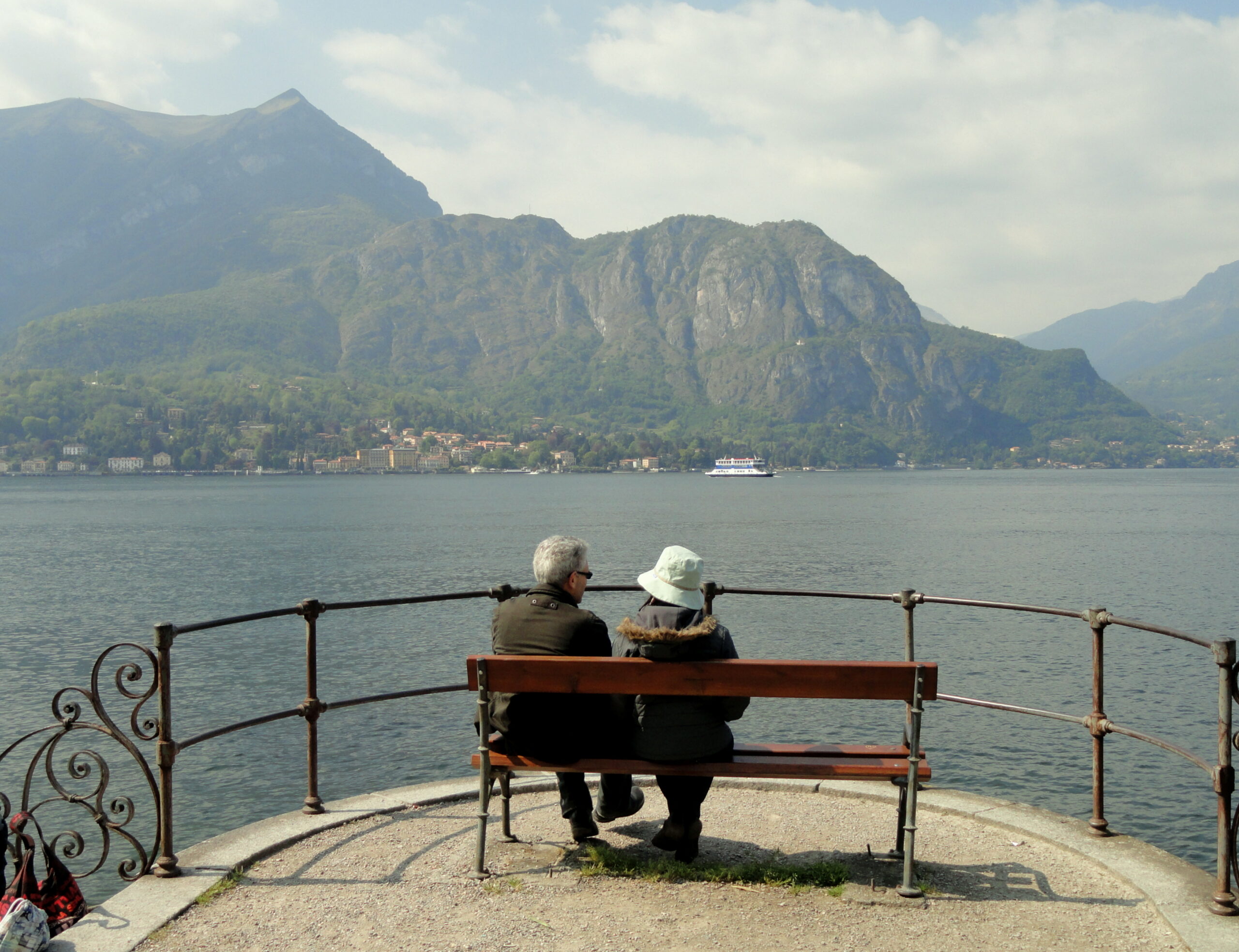
Bellagio’s lakefront — the visual drama that makes Lake Como worth choosing when it is genuinely the point of the trip.
Where would I base the stay?
At Stresa, I would start with Stresa town itself. Being able to walk to the waterfront, the ferry dock, and dinner matters when the whole reason for choosing the place is a slower pace. I would be cautious about staying somewhere that requires a car for every small decision unless the property itself is the reason for the choice.
At Lake Como, I would compare Varenna, Bellagio, and Como town based on the trip’s priorities rather than treating them as interchangeable. Varenna offers a quieter base. Bellagio delivers the iconic lake experience but with more activity around it. Como town is convenient for rail access and feels more urban.
The right base is the one that reduces friction for the particular route. A beautiful hotel that forces long transfers every day is not a luxury. It is a scenic logistical problem.
For current ferry routes and operating details, check Navigazione Laghi before finalizing a day on the water. Schedules change, and a blog post should not pretend otherwise.
What I’d actually do
If I were designing a trip that moved from Milan toward Switzerland, I would look hard at Stresa. I would give it two nights, visit the Borromean Islands, leave room for an evening swim, and use the nearby mountain activities as the second day’s change of pace. I would not fill every hour after that. The value is partly in what the itinerary refuses to add.
If I were moving east from Milan and the traveler specifically wanted Bellagio or the famous villas, I would choose Lake Como. I would make the choice honestly, plan around the crowds, and avoid pretending that a popular place becomes quiet because I used the word “authentic” in the itinerary.
If neither lake fits the route, I would skip both. That is not a failure of planning. It is planning. A lake stop that creates a half-day transfer and removes a more distinctive part of Italy is not automatically an upgrade. The broader principle is the same one behind our custom Italy trip planning: the route should serve the traveler, not the other way around.
The point is not to collect destinations. It is to decide what deserves your limited nights.
Frequently asked questions
Is Stresa as beautiful as Lake Como?
Stresa is beautiful in a different register. Lake Maggiore has the lake, islands, gardens, and mountain backdrop; Lake Como has its famous villages and villas. The more useful difference is atmosphere and pace, not a universal beauty score.
Is Stresa better than Lake Como for a second Italy trip?
It can be, especially if the traveler has already seen the headline places and wants a quieter alternative. If Bellagio is still the experience they most want, Como may be the right answer. Second trips deserve more specificity, not automatic contrarianism.
How many nights do you need in Stresa?
I would plan on two nights at minimum. That gives you room for the Borromean Islands, a slow evening, and time for an activity beyond the lake without turning the stay into a sequence of appointments.
Can you visit Stresa and Lake Como on the same trip?
Yes, but the roughly two-hour transfer by car, or longer journey by train, has an opportunity cost. I would do both only when the route and the traveler make the two distinct experiences worth that lost time.
Which lake is better for families?
For my family in 2024, Stresa was the better fit because of the relaxed pace and nearby mountain activities. Families who want Bellagio, villages, and the classic Como scenery may reasonably choose Como. Start with the group’s preferred day, not a generic label.
Is Lake Como too crowded to visit?
No. Crowds are a planning condition, not a reason to erase the destination. Go if the lake is the goal, then design the timing and base carefully. The mistake is promising a quiet experience without making any tradeoffs to protect it.
The short answer
Stresa is my recommendation when the trip needs a slower Lake Maggiore stay, the route points west or toward Switzerland, and the traveler is open to a place Italians choose more often than Americans do.
Lake Como is my recommendation when Bellagio, the villas, or the famous lake itself is the point—or when the geography makes it the clean choice.
Neither lake deserves to be added by reflex. Choose one. Give it enough time. Remove the transfer that does not earn its place.
If you are planning a private Italy trip and want an honest conversation about the route, book a 30-minute discovery call. It is a conversation, not a pitch.
Editorial and presentation notes
- Hero image:
ITC-CCBYSA4-STRESA-LUNGOLAGO.jpg; a real Stresa/Lake Maggiore panorama from Wikimedia Commons, CC BY-SA 4.0, attributed to Capricornis crispus. Cropped to remove people at the edge. Source: https://commons.wikimedia.org/wiki/File:Panorama_dal_Lungolago_Adolfo_Pini_-_Stresa.jpg - Supporting visuals: the mid-article Stresa image and Lake Como/Bellagio comparison image are included and have asset-level rights recorded in
memory/assets.md. Do not substitute an unlicensed web image. - HTML companion:
260826-BL-01.htmlis the visual editorial mockup for review. It now uses the approved brand-kit color scheme and the Stresa hero image; it is not a claim that WordPress has already been updated. - Editorial angle: the pause test — Stresa is the lake you choose when you want the lake to slow the itinerary down, not become another item to optimize.
- SEO variants covered: Stresa or Lake Como, Stresa vs Lake Maggiore, best Italian lake for families, Stresa itinerary, Lake Como alternative.
- Exactly one booking link: the final discovery-call link above. Other links are informational/internal and are not booking CTAs.